Installing new sod is an investment in your property that can transform a barren landscape into a lush, green oasis. In Georgia, where the climate varies significantly across seasons, understanding the best practices for sod installation becomes crucial. This article delves into effective strategies tailored to each season, ensuring that your new lawn thrives in its unique environment.
Understanding Georgia’s Climate
Georgia is known for its diverse climate, which can be challenging for landscaping projects. The state experiences hot summers and mild winters, with varying rainfall patterns. These factors directly influence the timing and methods of sod installation.
During the summer months, temperatures can soar above 90°F, leading to increased evaporation and stress on newly laid sod. Conversely, winter temperatures can dip low enough to hinder growth but rarely reach extremes that would kill dormant grass types. It is essential to choose the right time to install sod based on these seasonal characteristics.
Choosing the Right Grass Type
Selecting the appropriate grass variety is fundamental to successful sod installation in Georgia. Common choices include Bermuda grass, Zoysia grass, and Fescue grass. Each type has its advantages and suitability depending on location and usage.
Bermuda grass is popular for its durability and drought resistance, making it ideal for high-traffic areas like sports fields or commercial properties. Zoysia grass thrives in sunny areas but requires more maintenance during establishment. Fescue grass, on the other hand, performs well in shaded lawn sod installation regions and cooler parts of the state.
Understanding these nuances will help you make informed decisions about which type of sod will best suit your needs and conditions.
Spring: Ideal Time for Installation
Spring in Georgia typically runs from March through May, presenting an excellent opportunity for sod installation. As temperatures begin to warm up but remain moderate, this period allows newly laid sod to establish roots before the heat of summer sets in.
When preparing for spring installation:
Soil Preparation: Begin by testing your soil's pH levels and nutrient content. Amendments may be necessary based on test results. Weed Control: Clear any existing weeds or debris from the area to ensure that sod has room to grow without competition. Watering Strategy: Implement a consistent watering schedule immediately after laying sod — keep it moist but not soggy.A personal experience highlights this point vividly; I once helped a neighbor lay Bermuda grass in early April when temperatures hovered around 70°F. Within weeks, their yard transformed into a vibrant green space that thrived throughout summer.
Summer: Managing Heat Stress
While summer is not typically recommended for new sod installation due to extreme heat conditions, sometimes circumstances necessitate it. If you must lay sod during this season:
Timing: Choose early morning or late afternoon hours when temperatures are cooler. Frequent Watering: Increase watering frequency to combat evaporation — daily irrigation might be necessary initially. Shade Considerations: Use shade cloths if possible to shield young sod from direct sun during peak heat hours.In my professional experience as a landscape consultant, I have seen homeowners successfully install Zoysia grass during late June by diligently following these practices despite high temperatures.
Fall: Optimal Conditions
Fall is arguably one professional new sod installation of the best times for new sod installation in Georgia due to cooler temperatures and increased rainfall opportunities from late September through November. The moderate weather encourages root establishment before winter arrives.
Key considerations include:
- Soil Aeration: Aerate your soil before laying down new sod; this helps improve water absorption and root penetration. Fertilization: Apply a starter fertilizer designed specifically for new lawns at the time of installation. Water Management: Regular watering should continue until cooler temperatures set in; then reduce frequency as growth slows with colder weather.
I recall assisting a client who chose to install Fescue grass in October; they were rewarded with rapid establishment due to ideal autumn conditions resulting in a thick lawn by early winter.
Winter Care: Preparing for Spring Growth
Winter care is crucial even if you installed your new sod in fall or summer since it impacts how well it will perform come springtime:
Mulching: Covering exposed areas with mulch can help insulate roots against cold snaps while retaining moisture. Avoid Traffic: Limit foot traffic on newly laid sod during winter months; this reduces compaction and stress on fragile root systems. Monitoring Soil Moisture: Even though growth slows down significantly during winter months, checking soil moisture levels remains important; avoid letting it dry out completely.One homeowner learned this lesson when they neglected their newly sodded lawn over winter; they faced significant setbacks come spring due to inadequate care during dormancy.
Professional Sod Installation Services
Engaging professional sod installation services can ease many burdens associated with installing new lawns—especially if you're unsure about techniques or timing relative to seasons. Experienced landscapers understand local soil conditions, optimal planting times based on weather forecasts, and proper maintenance routines that yield lasting results.
When considering hiring professionals:
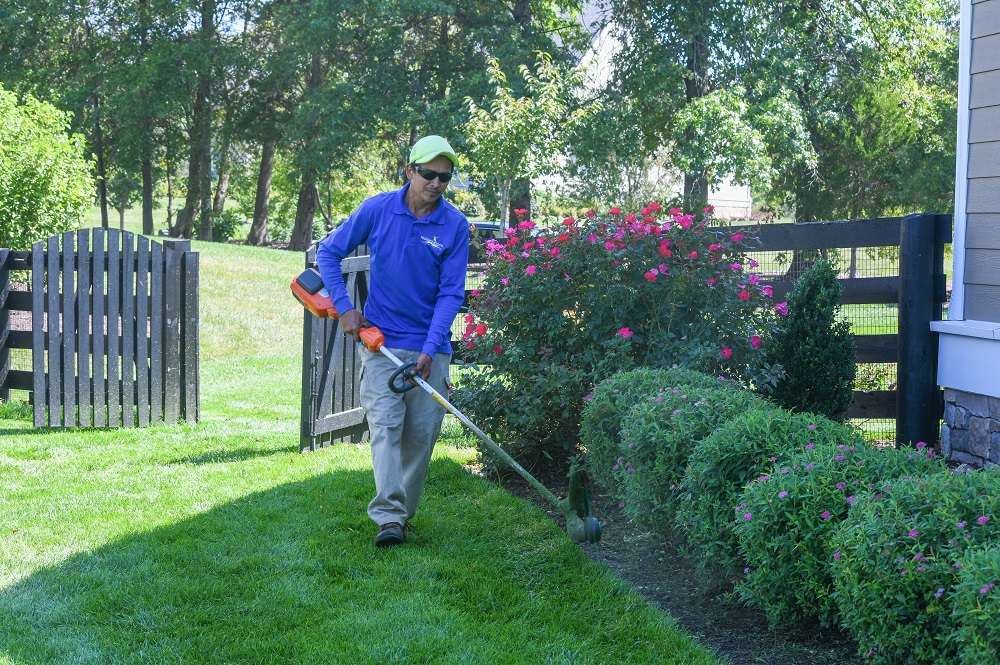
- Look for companies specializing in residential or commercial projects with positive reviews. Verify licenses and insurance coverage before proceeding. Request detailed estimates covering all aspects from preparation through post-installation care instructions.
This step can save time and ensure quality results while providing peace of mind throughout the process!
Maintaining Your New Lawn
Once you've successfully installed your new sod—whether through DIY efforts or professional service—maintenance plays an essential role in long-term health:
- Mowing should begin only once your grass reaches about three inches tall; cutting too soon can shock new plants. Fertilization schedules will depend largely on chosen grasses; follow guidelines closely according to specific species requirements. Irrigation needs may vary seasonally—monitor environmental changes affecting moisture levels consistently throughout different times of year.
Over time I've observed how regular attention leads results unmatched by neglectful approaches! A simple regime focused on mowing heights along with seasonal fertilizations could yield lush landscapes transforming properties entirely!
Conclusion
Successfully installing new sod requires careful planning tailored specifically around Georgia’s unique climatic challenges across seasons—from spring installations capitalizing upon moderating temperatures through summer management strategies combating heat stress right down into fall optimizations leading towards flourishing growth come next cycle! By choosing appropriate varieties suited well within these frameworks alongside perhaps trusted professional assistance couples nicely improving odds achieving desired outcomes! With diligence coupled together knowledge gained here today anyone willing put forth effort see transformation unfold beautifully over time!